

Protect Yourself From Fraudsters
We want to make our customers aware of an increase in fraudulent phone calls, texts, and emails where scammers pretend to be from our bank’s fraud department. These calls are designed to trick you into sharing debit card or personal information.
The good news: You can stop fraud in its tracks by knowing what to expect — and what to refuse.
What Our Fraud Department Will Ask
If our fraud department contacts you by phone, they will only ask for:
✅ The last four digits of your debit card or bank account number
✅ Your name
That’s it.
These limited details allow us to confirm we are speaking with the correct customer — while keeping your full information secure.
What Our Fraud Department Will NEVER Ask
If our fraud department contacts you by phone, they will only ask for:
If you receive a call requesting this information, hang up immediately and contact the bank right away.
Why is this important?
Fraudsters use these tactics to gain access to accounts and raise debit card fraud limits to commit fraud, putting your accounts at risk. By staying alert and never sharing your credentials, you help protect your accounts and your financial security.
Stay educated
One of the best ways to protect yourself and your finances is to stay informed about current fraud tactics and how to avoid them. We regularly share resources to help keep you safe.
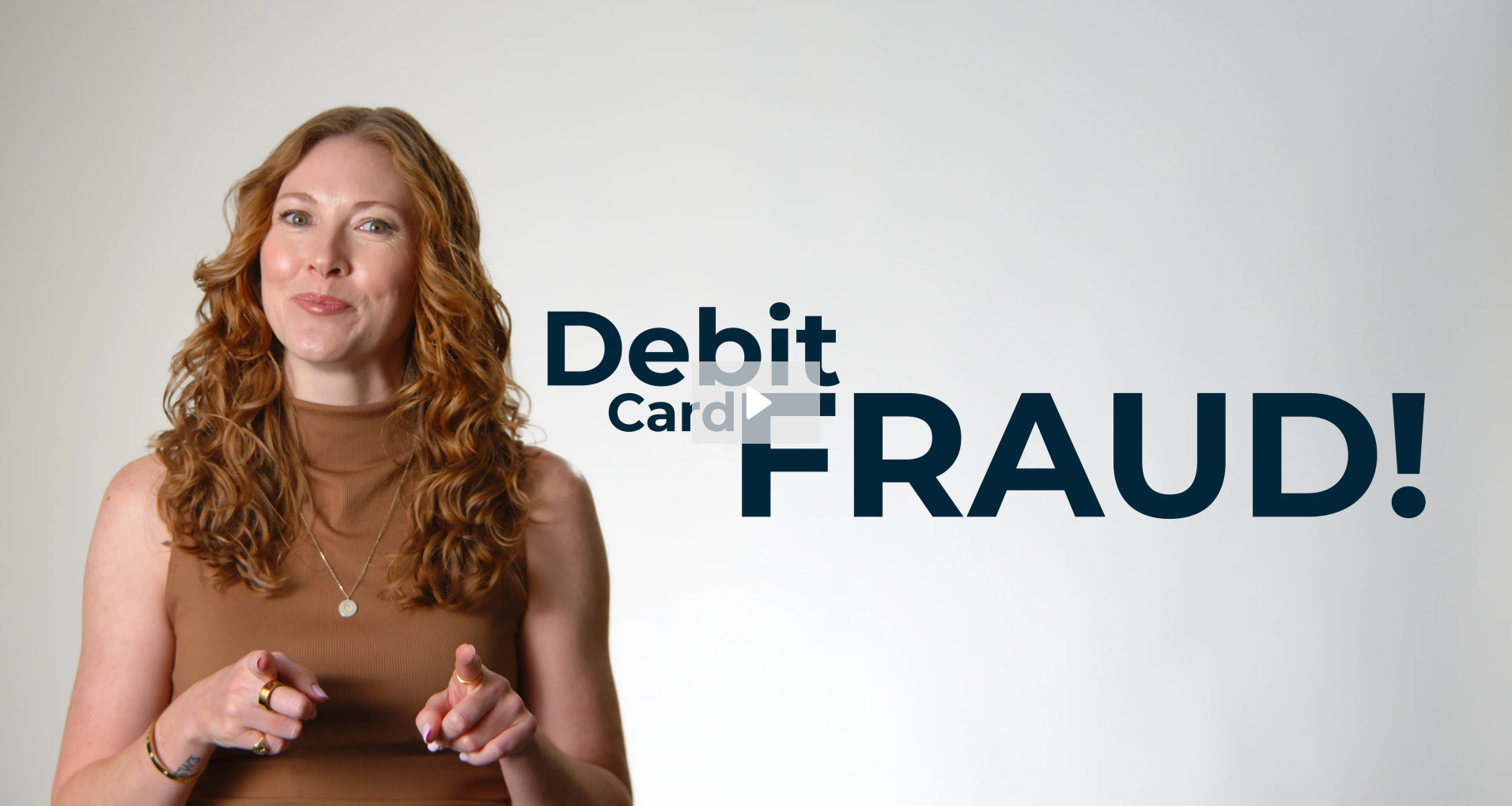
Ways You Can Protect Yourself
- Utilize card controls available in Digital Banking and Mobile apps
- Manage Cards allows you to temporarily turn cards off/on, report cards lost or stolen, and manage card alerts via email or phone when debit card transactions are approved/denied.
- Note: preauthorized or recurring card transactions will still occur while cards are “off”
How to Manage Cards
More ways to protect yourself:
-
Make sure we have your current phone number and address.
-
If you will be using your debit card out of the area, let us know in advance.
-
Routinely review your account activity online.
-
If you notice unauthorized transactions of any amount, contact the bank. If it is outside of customer service hours, call to report the card lost or stolen and follow up with the bank when possible.
-
When at the ATM or payment terminal, look out for suspicious modifications or additions to the device, such as a removable, loose-fitting overlay on the card slot. Regardless of what ATM you use or whether there is anyone else waiting to use the ATM behind you, use one hand to cover the other as you key in your PIN.
-
Do not provide access to your digital banking to anyone. Passwords and the one-time authentication codes send to your phone or email should never be shared. If you suspect these credentials have been compromised, change your password, and call the bank.
Red Flags to Watch For
- Urgent or threatening language – “Your account will be locked unless you act now.” Fraudsters may press you to act quickly with a sense of urgency.
- Requests for personal information – Username, password, PIN, or security codes. Never share this information via email, text, or phone.
- Unfamiliar phone numbers or caller IDs – Especially those claiming to be from the bank or examiners. That being said, fraudsters can fake or “spoof” caller ID. DO NOT automatically trust a call based on the caller ID.
- Unusual instructions – Asking you to verify details over the phone instead of through secure channels.

Need Assistance?
Call us at 615-515-2265 or come see us in person!